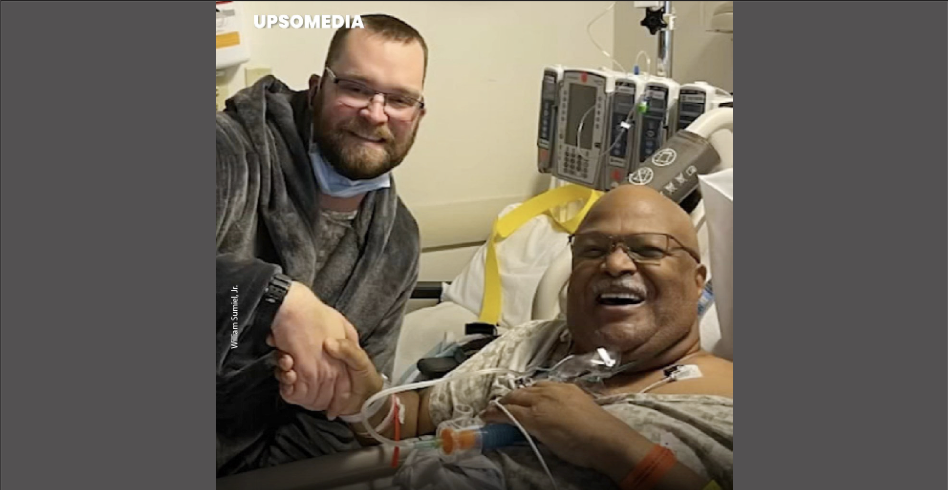
An Uber Ride, a Kidney Donation, and an Unbreakable Bond
In a remarkable story that underscores the profound impact of human connection, a simple rideshare trip in 2021 culminated in a life-saving organ donation and the formation of an enduring friendship. Tim Letts, a 33-year-old Uber driver and U.S. Army veteran, donated a kidney to Bill Sumiel, a 71-year-old passenger he met while driving him from a dialysis center to his home in Salem, New Jersey. Their journey from strangers to lifesaving allies is a powerful testament to altruism and the unexpected ways kindness can reshape lives.
A Routine Ride That Changed Everything
The pivotal encounter occurred in October 2021. During the drive, Sumiel, who had been coping with end-stage renal disease caused by chronic diabetes, shared his struggles with Letts. He explained that he had been on the national transplant waiting list for over three years, a period marked by the grueling routine of thrice-weekly dialysis treatments. According to data from the United Network for Organ Sharing (UNOS), as of 2023, over 90,000 patients in the U.S. are on the waiting list for a kidney, with average wait times often stretching three to five years. Sumiel’s candid conversation about his declining health and resilience deeply moved Letts, who listened with the empathy of a fellow veteran and a compassionate human being.
The Decision to Donate: A Veteran’s Act of Courage
Moved by Sumiel’s story and his evident strength, Letts spontaneously offered to donate one of his own kidneys. This was not a casual promise; it initiated a serious, medically rigorous process. As a living donor, Letts underwent comprehensive compatibility testing, including blood work and cross-matching, to ensure he was a suitable match for Sumiel. The National Kidney Foundation notes that while family members are common donors, altruistic donations to strangers—like Letts’s—are rare and exceptional, requiring thorough psychological and medical evaluation to protect both donor and recipient health. After weeks of testing, the two men received the joyous news: they were compatible. The surgery, performed at a New Jersey hospital, was a success. Letts’s kidney began functioning immediately in Sumiel’s body, allowing him to discontinue dialysis and begin reclaiming his vitality.
Surgery Success and a New Lease on Life
The transplant procedure marked a dramatic turning point. For Sumiel, it meant freedom from the exhausting dialysis schedule and a return to normal daily activities. The American Journal of Transplantation reports that successful living-donor kidney transplants typically offer superior long-term outcomes compared to deceased-donor transplants, with graft survival rates often exceeding 80% at 10 years. Post-surgery, both men recovered well. Letts, who had served in the military, approached the donation with the same resolve he once applied to his service, viewing it as a mission to save a life. Their shared experience forged an immediate and profound bond, transforming a passenger-driver relationship into a deep, familial friendship built on mutual respect and gratitude.
An Unlikely Friendship Forged in Generosity
Today, Letts and Sumiel remain in close contact, regularly checking in on each other’s health and well-being. Their story has been widely celebrated as an act of extraordinary generosity, highlighting the critical need for organ donors. Experts in transplant ethics often cite such altruistic donations as powerful tools for raising public awareness and encouraging registration for deceased donation. The duo’s connection also illustrates the human side of the transplant system—a network often discussed in clinical terms but fundamentally driven by personal stories of hope and sacrifice. Their experience serves as a poignant reminder that life-changing generosity can arise from the most ordinary moments, like a conversation during a car ride.
For those inspired by their story, resources are available through organizations like the National Kidney Foundation and UNOS, which provide information on becoming a living or deceased organ donor. Tim Letts’s decision not only gave Bill Sumiel a second chance at life but also showcased the enduring power of compassion in action.
Image Credit: www.phtm.co.uk