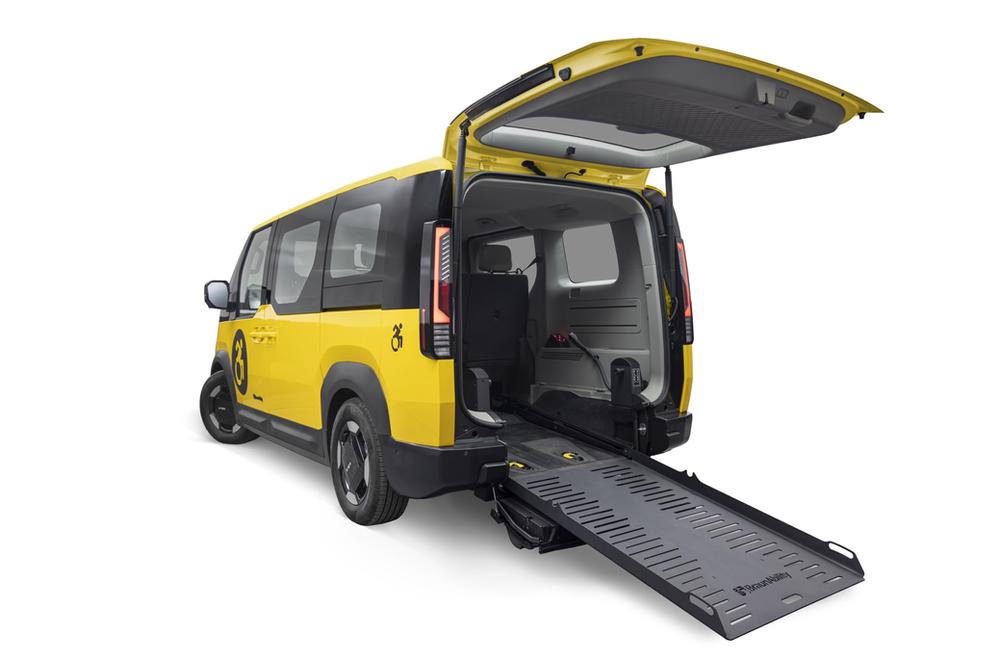
PV5-based WAV concept signals push into accessible, zero-emission taxi and rideshare markets in the United States
In a significant move for inclusive urban mobility, Kia Corporation has announced a strategic collaboration with mobility innovator BraunAbility to develop an electric wheelchair-accessible vehicle (WAV) based on Kia’s upcoming PV5 platform. The production-intent concept is set to debut at the 2026 New York International Auto Show, with press previews on April 1-2 and public display from April 3-12 at the Jacob K. Javits Convention Center in Manhattan.
A Purpose-Built Solution for a Critical Need
The PV5 WAV concept is engineered from the ground up to meet and exceed Americans with Disabilities Act (ADA) requirements. It is positioned as a potentially first-of-its-kind electric taxi and rideshare vehicle specifically designed for wheelchair users in the U.S. This initiative directly tackles two defining priorities of modern urban transport: dramatically reducing vehicle emissions and fundamentally improving accessibility across passenger services.
The development leverages Kia’s dedicated Purpose-Built Vehicle (PBV) strategy. Unlike conventional vans that require costly and complex aftermarket conversions, the PV5’s electric platform is engineered to accommodate accessibility features from the initial design phase. Kia states this integrated approach is intended to simplify the conversion process for partners like BraunAbility, helping to maintain rigorous quality standards, control costs, and reduce vehicle downtime—a crucial economic factor for fleet operators and mobility service providers.
Designing for Real-World Taxi and Rideshare Operations
Practicality for daily commercial use is central to the concept’s design. Key features include a low step height to facilitate easier entry and exit for all passengers, including those with limited mobility. Furthermore, the vehicle incorporates permanently integrated wheelchair tiedowns and occupant restraint systems. This design ensures securement equipment is always available and ready, creating a consistent, reliable, and compliant process for drivers—eliminating the need to store, set up, and manage separate equipment.
“For years, New York has been told it has to choose between zero tailpipe emission vehicles and accessibility,” said Craig Schrimsher, President of BraunAbility Americas. “The PV5 WAV is proof that the same taxi can deliver both, by combining Kia’s dedicated EV platform with BraunAbility’s wheelchair-accessible design leadership.”
Addressing a Growing Urban Demand
The collaboration responds to intensifying demand for accessible solutions within large-scale urban transit networks, particularly in regulatory hubs like New York City. The partners plan to conduct real-world evaluations in the city, working directly with government agencies, fleet operators, and disability advocacy groups. This feedback loop is critical for refining the vehicle’s design and ensuring its operational suitability for the specific demands of a dense metropolis.
Sangdae Kim, Executive Vice President and Head of the PBV Division at Kia Corporation, highlighted the strategic synergy: “Kia’s collaboration with BraunAbility benefits those involved, expanding the existing product portfolios of both companies in the U.S. market, while aiming to offer greater quality and choice to vehicle operators and improved mobility to WAV users. I can think of no better place to unveil our production-ready concept than one of the most iconic taxi markets in the world.”
Shifting the Economics of Accessible Fleets
This project signals a potential economic shift for wheelchair-accessible vehicle deployment. A dedicated electric platform could lower total cost of ownership compared to retrofitting internal combustion engine vehicles by reducing conversion complexity, maintenance needs, and operational downtime. Simultaneously, it aligns with increasingly stringent emissions regulations and sustainability mandates sweeping across major U.S. cities, making the electric WAV a future-proof investment.
While no specific production timeline has been confirmed, the PV5 WAV concept serves as a tangible test case for Kia’s broader ambitions in the accessible mobility and electrified commercial vehicle sectors. The unveiling underscores a industry-wide pivot toward designing inclusivity and sustainability into the foundational architecture of next-generation urban transport.
Image Credit: www.taxi-point.co.uk