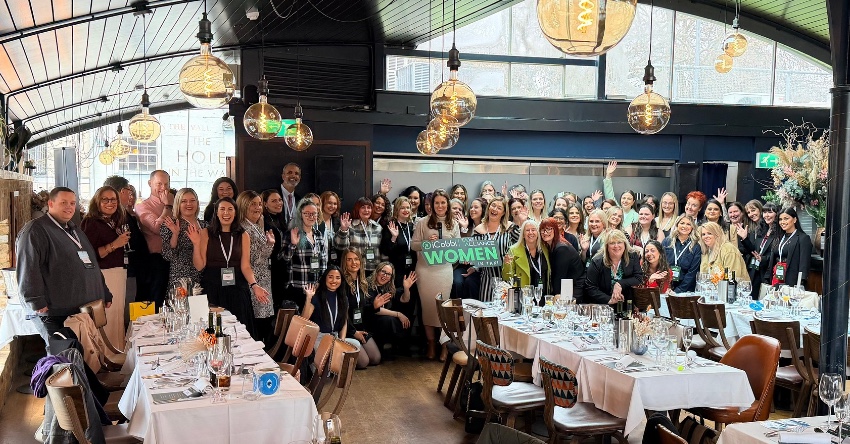
Bristol Hosts Third Annual Women in Taxi Event, Spotlighting Gender Equity and Industry Innovation
On Friday, 6 March, the city of Bristol became the focal point for a crucial industry conversation as Cabbi’s Women in Taxi event, sponsored by Veezu, brought together over 70 female leaders, operators, entrepreneurs, and partners from across the UK’s taxi and private hire sector. Timed ahead of International Women’s Day, the third-annual gathering was explicitly designed to move beyond simple celebration. Its core mission was to carve out dedicated space for examining the female experience within the industry—whether as drivers, passengers, or professionals—and to forge actionable strategies that promote equity and improve that experience.
The event, supported by long-standing technology partner iCabbi, underscored a fundamental belief: that the future resilience and relevance of the taxi and private hire industry is intrinsically linked to its ability to understand and integrate diverse perspectives. iCabbi’s involvement extends beyond its dispatch platform; through initiatives like the Taxi Alliance and The iCabbi Exchange community, the company actively fosters the industry’s collective growth. “The goal is not simply to celebrate women in the industry—albeit this is absolutely of high value—but to interrogate what we still don’t fully understand about gender perspectives in the taxi and private hire space,” said Sinéad Gillett, CMO of iCabbi. “By bringing these perspectives into the conversation, we can help ensure greater equity across the industry while also strengthening the sector itself.”
Panel One: Unpacking Gender Bias and Safety in Transportation
The first panel, featuring Madison Veck (Women in Transport), Natalie Jones (Apollo Taxi Wrexham), Amberine Nawaz (Pink Ladies), and Sonia Nijjar (Cross Street Cars), directly tackled the systemic challenges. Discussions illuminated how gender bias is often embedded in transportation infrastructure and urban planning, from poorly lit pick-up points to route designs that don’t account for safety concerns. The panelists argued that the taxi and private hire industry, with its deep local knowledge and direct passenger contact, is uniquely positioned to advocate for and implement more inclusive mobility solutions.
A stark statistic framed much of the debate: women comprise only approximately 3% of taxi and private hire drivers in the UK, making it one of the most gender-imbalanced sectors in transport. The conversation dissected the multifaceted reasons behind this—from perceived safety risks and lack of flexible, secure working conditions to cultural stereotypes—and explored tangible solutions. Operators shared experiences on how fleets could become more attractive, such as implementing enhanced safety protocols for drivers, providing mentorship programmes, and redesigning recruitment messaging to highlight career stability and community impact.
Panel Two: Navigating AI, Autonomy, and the Enduring Power of ‘Local’
The second panel, comprising Liza Lipson (PHTM), Amy Tingle (Veezu), Hedy Borreman (Taxicentrale Amsterdam & European Taxi Association), Vicki O’Sullivan (iCabbi), and Carly Barrett (Fareway Taxis), shifted focus to the technological horizon. Artificial intelligence dominated the discussion, not as a distant concept but as a present tool for optimising fleet operations, enhancing safety through real-time data analysis, and potentially creating new pathways for women to enter the industry via flexible, tech-enabled roles.
The panel also critically examined autonomous vehicles (AVs). While acknowledging the long-term potential, they stressed the immediate, irreplaceable value of the human element—particularly the local knowledge, trusted relationships, and personalised service that define taxi fleets. A key consensus emerged: the sector’s greatest competitive strength lies in its hybrid model, blending global technological standards with hyper-local community integration. “Fleets sit at the intersection of global technology trends and local service delivery,” noted one panelist. In an era of app-based ride-hailing, this deep-rooted local presence—understanding a city’s nuances, supporting community events, offering reliable, vetted service—remains a powerful differentiator that algorithms cannot replicate.
Building Pathways Forward: Partnerships and Commitment
The afternoon’s energy was sustained by a shared resolve to turn dialogue into action. In a significant announcement, iCabbi revealed a new partnership with Women in Transport. As part of its Taxi Alliance member benefits, iCabbi will cover the membership fee for one nominated employee from each member fleet, granting them access to a professional network, events, and mentoring specifically aimed at bolstering female participation and leadership.
The event’s sponsor, Veezu—the UK’s largest private hire platform—reinforced its commitment through both financial support and strategic focus. “Bringing more talented women into the taxi and private hire industry is essential to its future,” said Amy Tingle, Integration Director at Veezu. “This event shines a light on the people already leading that change… and shows that this can be a realistic, rewarding choice for many more women.” Veezu also highlighted its 2026 charity partner, Stamp Out Spiking, with CEO Dawn Dines speaking about the critical importance of passenger and driver safety—a concern that disproportionately affects women.
Support was also provided by M2M TaxiBot, with Customer Success Manager Jasbir Dosanjh in attendance, demonstrating broad industry buy-in for the initiative’s goals.
Conclusion: A Necessary Conversation for the Industry’s Soul
The lasting impression from Bristol was the palpable depth and engagement in every discussion. The event successfully proved that addressing gender equity is not a peripheral HR issue but a central strategic imperative for the entire mobility sector. By foregrounding female voices and lived experiences, the industry can better design services, policies, and technologies that are safer, more inclusive, and ultimately more successful.
As the sector grapples with AI, autonomy, and intensifying competition, the conversations in Bristol made one thing clear: the industry’s future will be shaped by its ability to listen, adapt, and ensure that the roads—and the leadership of the fleets that travel them—reflect the diversity of the communities they serve.
Image Credit: www.phtm.co.uk