London Trials Advanced Radar Speed Cameras to Tackle Speeding and Save Lives
Speeding remains one of the most devastating factors on London’s roads, contributing to approximately half of all fatal collisions in the capital last year. In a significant step towards its Vision Zero goal of eliminating road deaths, Transport for London (TfL), in partnership with the Metropolitan Police Service (MPS), has begun trialling a new generation of radar-based speed cameras at up to 10 high-risk sites.
The Critical Role of Speed Enforcement
Data from TfL and the Met underscores the lethal impact of excessive speed. Analysis of 2024 collisions revealed that speed was a reported contributory factor in around 50% of fatal incidents. This persistent danger is the driving force behind the commitment to modernise London’s safety camera network. The trial represents a technological evolution from the current “spot speed” cameras, which rely on sensors embedded in the road surface, to a more reliable and comprehensive system.
A Technological Leap: How the New Cameras Work
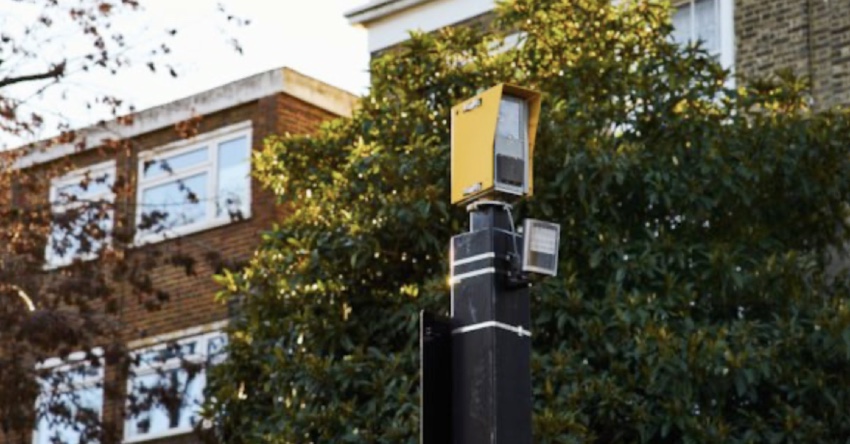
The new cameras utilise 4D radar technology paired with a high-resolution 4K colour camera. This system operates without the need for visible flashes, white-light bursts, or any in-ground sensors or road markings. This design eliminates common points of failure associated with traditional systems, such as damaged road loops or obscured markings, thereby increasing reliability. Furthermore, a single unit can monitor up to five lanes of bi-directional traffic, compared to the three-lane limit of current systems that require individual sensors per lane. The superior image quality also strengthens the evidence package for police enforcement, supporting more robust legal proceedings against offenders.
Trial Locations and Selection Criteria
Installation is underway at sites across multiple boroughs, including Haringey, Tower Hamlets, Havering, Croydon, Hammersmith and Fulham, Brent, Hackney, Ealing, and Sutton. All locations are situated on 20mph or 30mph roads—areas where speed control is most critical for pedestrian and cyclist safety. Sites were specifically chosen based on a combination of technical suitability and an established history of collision risk, ensuring the trial targets areas where it can have the greatest potential impact on reducing danger.
Ensuring a Fair and Robust Enforcement Process
Before any enforcement action begins, TfL and the Met adhere to a strict protocol. All associated warning signage at the trial sites will be inspected to ensure compliance, and each camera will undergo precise calibration. This procedure is in line with the established TfL/MPS policy, guaranteeing that the technology is used accurately and lawfully from the outset. The primary aim is deterrence, using the visible presence of modern enforcement to encourage compliance and change driver behaviour.
Statements from Leadership: A Shared Commitment to Safety
Siwan Hayward, TfL’s Director of Security, Policing and Enforcement, emphasised the life-saving intent: “Speeding continues to be a major cause of the most devastating collisions on our roads. This trial allows us to test new radar-based camera technology to ensure it meets London’s future enforcement needs. Upgrading our camera network is vital to maintaining strong, consistent enforcement, and together with the Met we are using every tool available to deter speeding, reduce road danger and save lives.”
Detective Chief Superintendent Donna Smith, of the Met’s Roads and Transport Policing Command, echoed this resolve: “It is tragic whenever anyone is killed or seriously injured on our roads, and speeding remains a major factor, which is why our officers are totally committed to reducing that risk. Working alongside TfL, the Met will use every tool available, including new radar-based camera technology, to deter dangerous driving and support Vision Zero’s ambition of eliminating deaths on London’s roads. This trial will improve reliability and deliver better quality images, helping our officers hold offenders to account and ensuring we have a modern and effective enforcement system that saves lives.”
The trial’s outcomes will inform the future expansion and modernisation of London’s safety camera estate, marking a pivotal moment in the capital’s long-term strategy to create safer streets for everyone.
Image Credit: www.phtm.co.uk