Kent Pub’s Charity Shuttle Halted: MP Challenges Council’s Licensing Decision
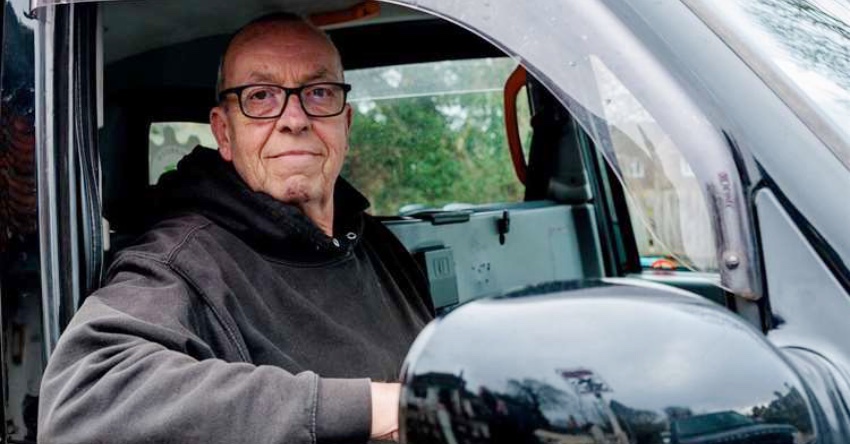
A community-focused initiative in the Kent countryside has become the centre of a regulatory dispute, drawing in a local Member of Parliament. Paul Hartfield, landlord of The Flying Horse pub in Smarden, was forced to stop offering a free lift-home service for his customers after Ashford Borough Council (ABC) intervened.
The service, which operated within a three-mile radius of the pub, allowed patrons to make optional donations to the Motor Neurone Disease Association (MND Association). In the four months it ran from November 2025, it safely transported approximately 100 people and raised £700 for the charity. However, the council ruled the activity constituted an unlicensed private hire business and ordered it to cease.
MP Katie Lam Steps In to Advocate for “Common Sense” Exemption
Katie Lam, Conservative MP for Weald of Kent, has formally challenged the council’s decision. In a letter to council leader Noel Ovenden, she argued that the pub’s charitable service falls outside the scope of activities that private hire licensing is designed to regulate.
“The pub’s service is a clear example of a business doing a good thing for the community,” Lam wrote. “This is not the kind of behaviour that the private car hire licensing system was designed to stamp out.” She is now advocating for a specific amendment to the council’s licensing policy, requesting that charitable, community-based transport schemes be added to the list of formal exemptions—a list that currently includes categories like wedding cars and ambulances.
Lam contends that such a change would represent a “simple, pragmatic” solution with dual benefits. “It would both help the rural hospitality sector to survive, and help raise money for their own Mayor’s charity of choice,” she stated, highlighting the potential for similar pub-led initiatives to support local causes.
Council Stands Firm on Safety and Regulatory Duties
Ashford Borough Council maintains that its primary obligation is public safety, a duty that overrides the good intentions behind the scheme. A council spokesperson clarified the legal position: “a business providing a car for hire with the services of a driver – with or without direct payment of money – is a licensable activity.”
The council explained that the licensing framework exists to ensure drivers are vetted, vehicles are roadworthy, and appropriate insurance is in place. “The council must balance good intentions with our regulatory responsibilities,” the statement continued. While officials have offered to assist Mr. Hartfield in applying for a standard private hire licence, the MP and the landlord maintain that the charitable, non-commercial nature of the service should exempt it from the full regulatory burden.
The standoff encapsulates a common tension between community innovation and bureaucratic regulation, particularly in rural areas. The outcome could set a precedent for how councils interpret licensing rules for goodwill schemes run by small businesses. For now, the Flying Horse’s charity shuttle remains parked, with its future dependent on whether the council agrees to a targeted exemption or the landlord pursues a formal licence.
Image Credit: www.phtm.co.uk